Welcome to Publisher Spotlight, your discovery spot for children’s books from international and independent publishers!
Recent Starred Reviews
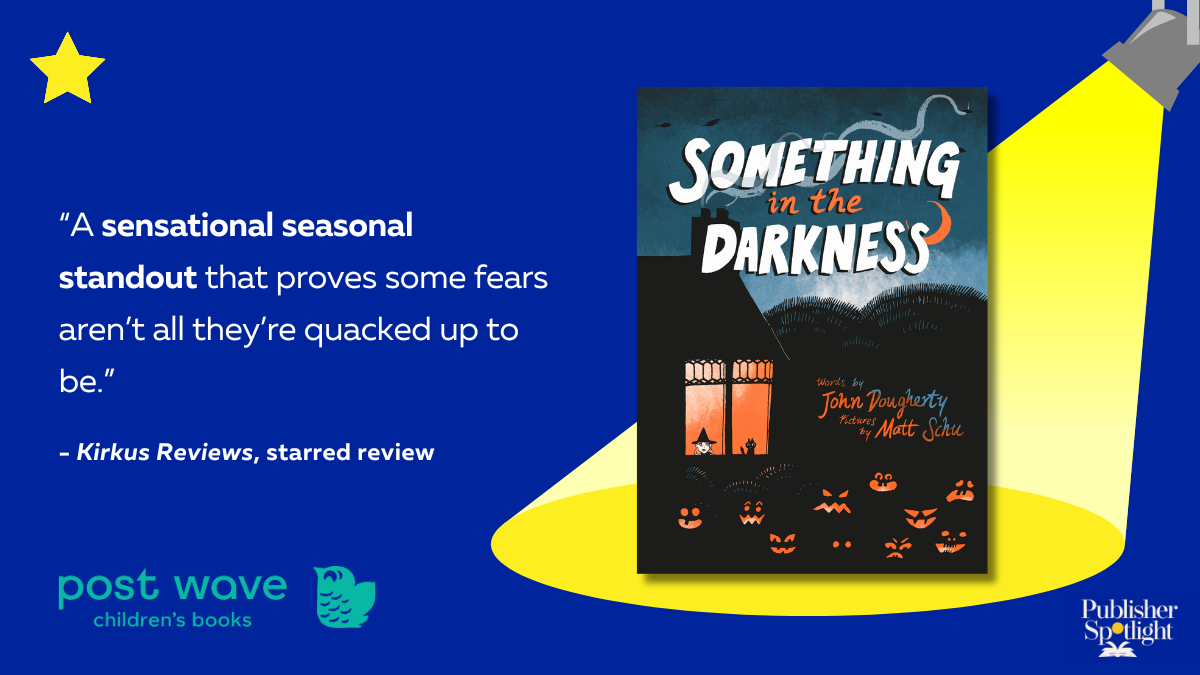

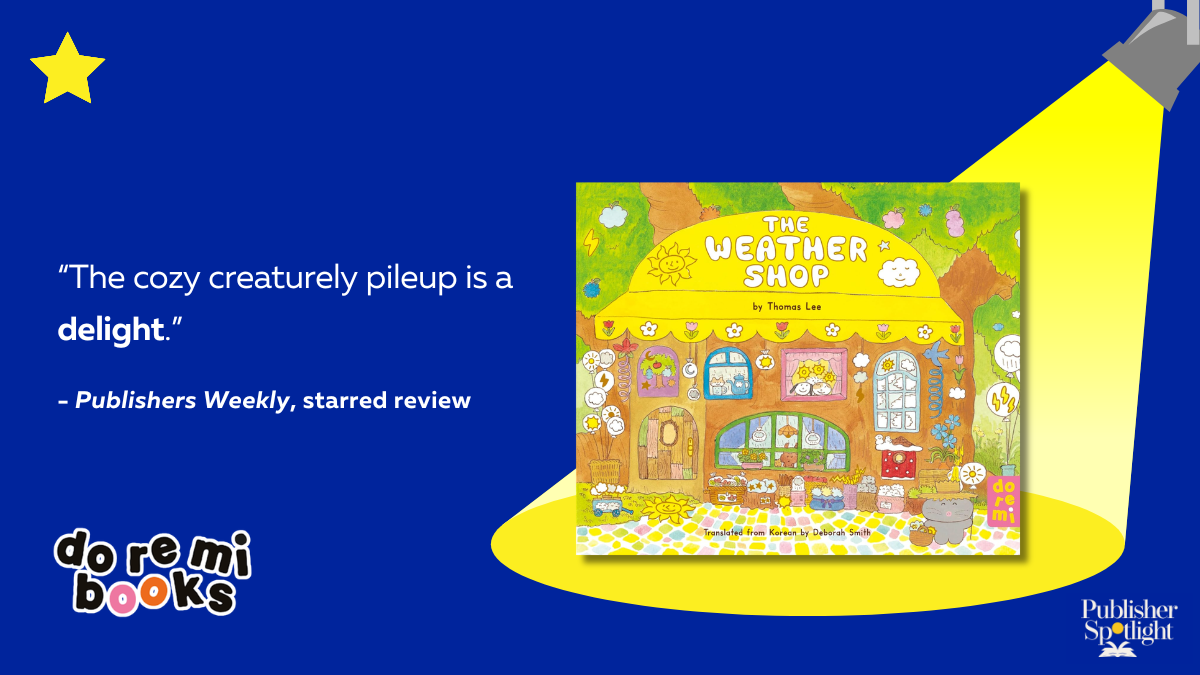
Check It Out Now on NetGalley!
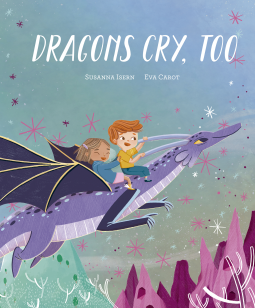
Did you know DRAGONS CRY, TOO? This week on NetGalley explores a forthcoming picture book from NubeOcho’s Susanna Isern, illustrated by Eva Carot. Meet Ari, when he is thrown out of the Bold Bunch for crying. He’s devastated. And then a dragon appears…,
Read It Now: Our Latest Article
- Facing the Fear of the Doctor with Animals

This is one in a series of Double Scoop Sundaes. It was authored by intern Abby Precise.
My mother was a pediatric nurse, and yet as a child, I still found the doctor’s office to be a terrifying place. It was so bad that my mom had to bribe me with a cupcake to get me to sit still for a shot. I wish that I had not put myself, my mom, and her coworkers through my fear of the doctor’s office, and instead, I had known that it was not such a scary place. Today’s kids will never understand how lucky they are to have books that combine reassurance, medical facts, and fun.
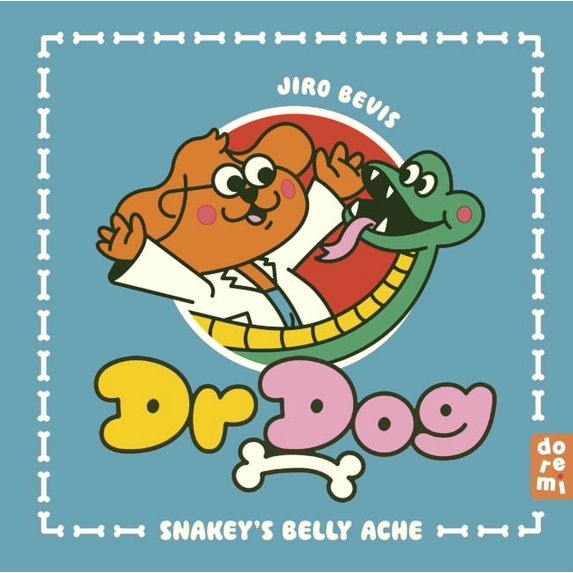
Do Re Mi’s DR. DOG: Snakey’s Belly Ache follows Dr. Dog through his day. It uses adorable pictures illustrated by the author, Jiro Bevis, and animals as both patients and staff to appeal to kids. As they read, children learn that the doctor is just another person who wants them to feel better. Dr. Dog’s office is portrayed as the approachable, non-threatening place it should be. Despite this, Snakey doesn’t want to tell the doctor what is causing his stomach ache, and it makes Dr. Dog’s job harder than necessary. He is facing a new problem, but Dr. Dog reminds himself that he is qualified to figure new challenges out.
Letting fear or embarrassment prevent the truth from coming out to the doctor makes the appointment both harder and longer. Despite my fears, being honest with the doctor is not something I struggled with. I give all the credit for that to my mother for making sure I was taught the lesson of this book early on. Having a nurse for a mother is a huge advantage in this way. For kids without (as well as with) medical professionals in the family, Dr. Dog can help kids learn how important honesty regarding health is. When kids conquer their fear of the doctor, they can help give the doctor the most accurate information.
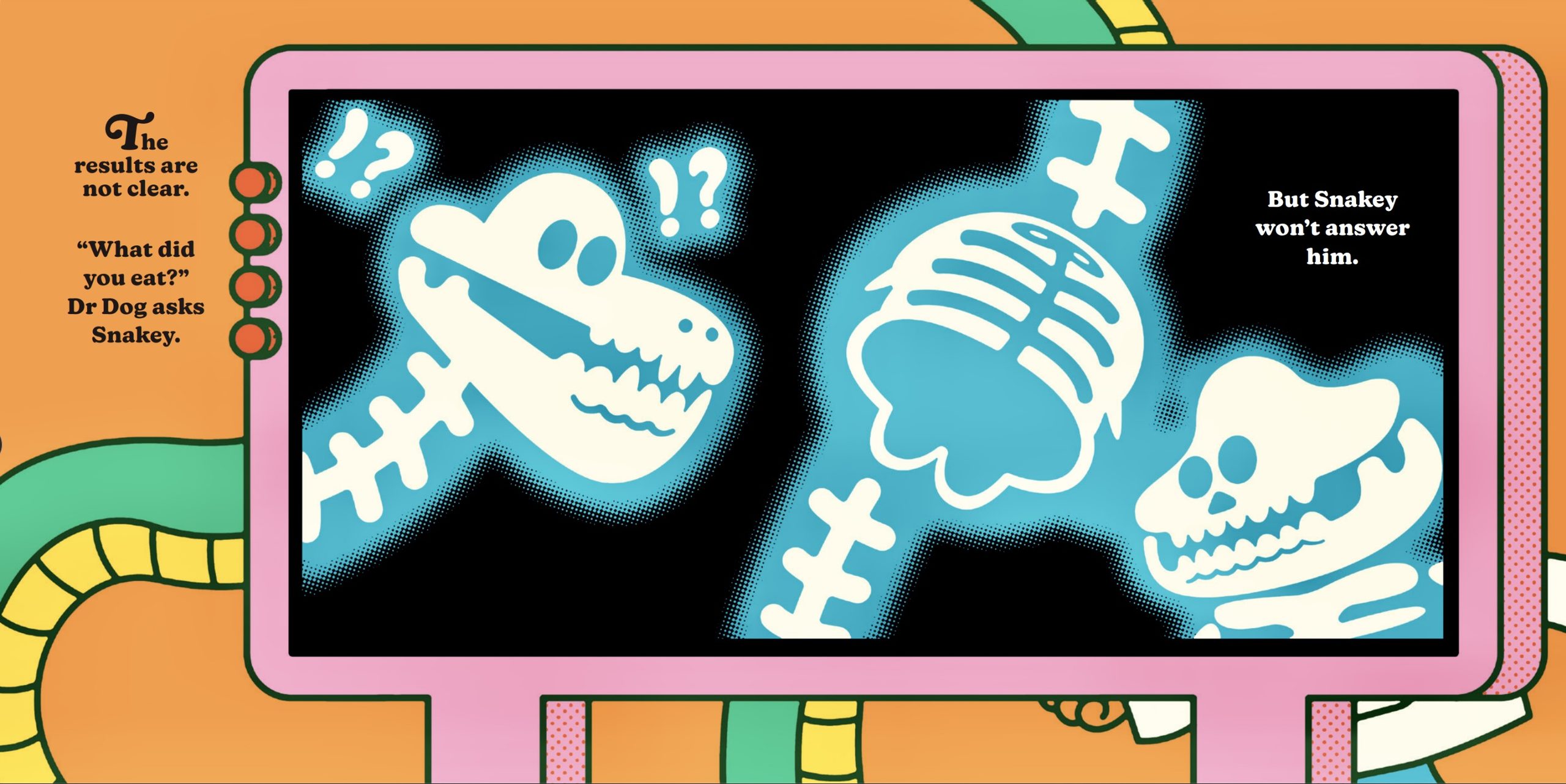
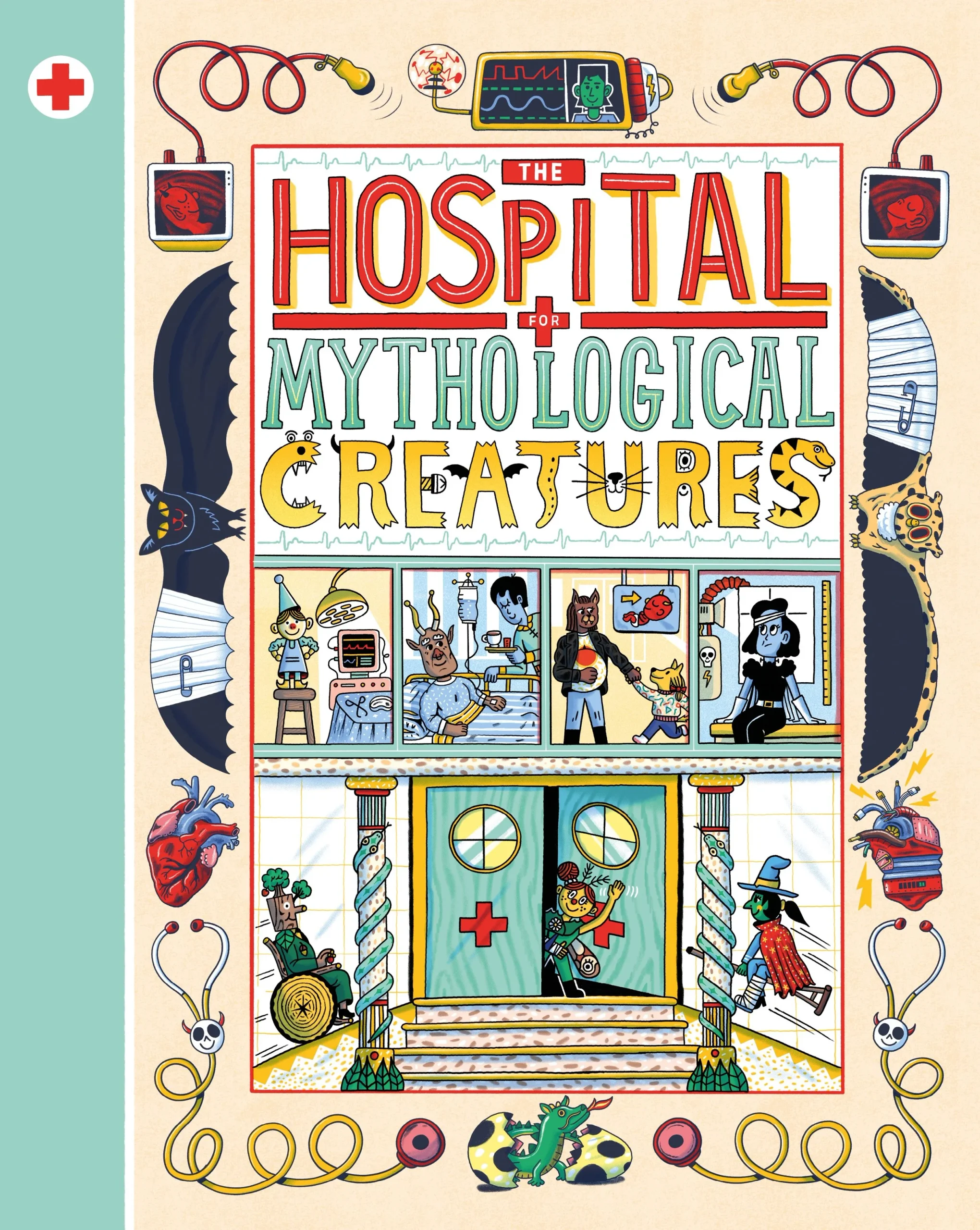
What does DR. DOG see when using the X-ray machine? THE HOSPITAL FOR MYTHOLOGICAL CREATURES, published by Cicada Books, written by Cathy Evans, and illustrated by Ed J. Brown, depicts all of the jobs in a hospital, but it replaces the staff with something children love: mythological creatures. At the start of the book, multiple characters survive a car crash and now require medical attention. The busy environment can be overwhelming for kids, and this book provides children with knowledge about what is going on in a hospital. This book also addresses the fear around the scary parts of a doctor visit, like getting blood drawn by a phlebotomist, by showing the parent reassuring their child that it doesn’t hurt.
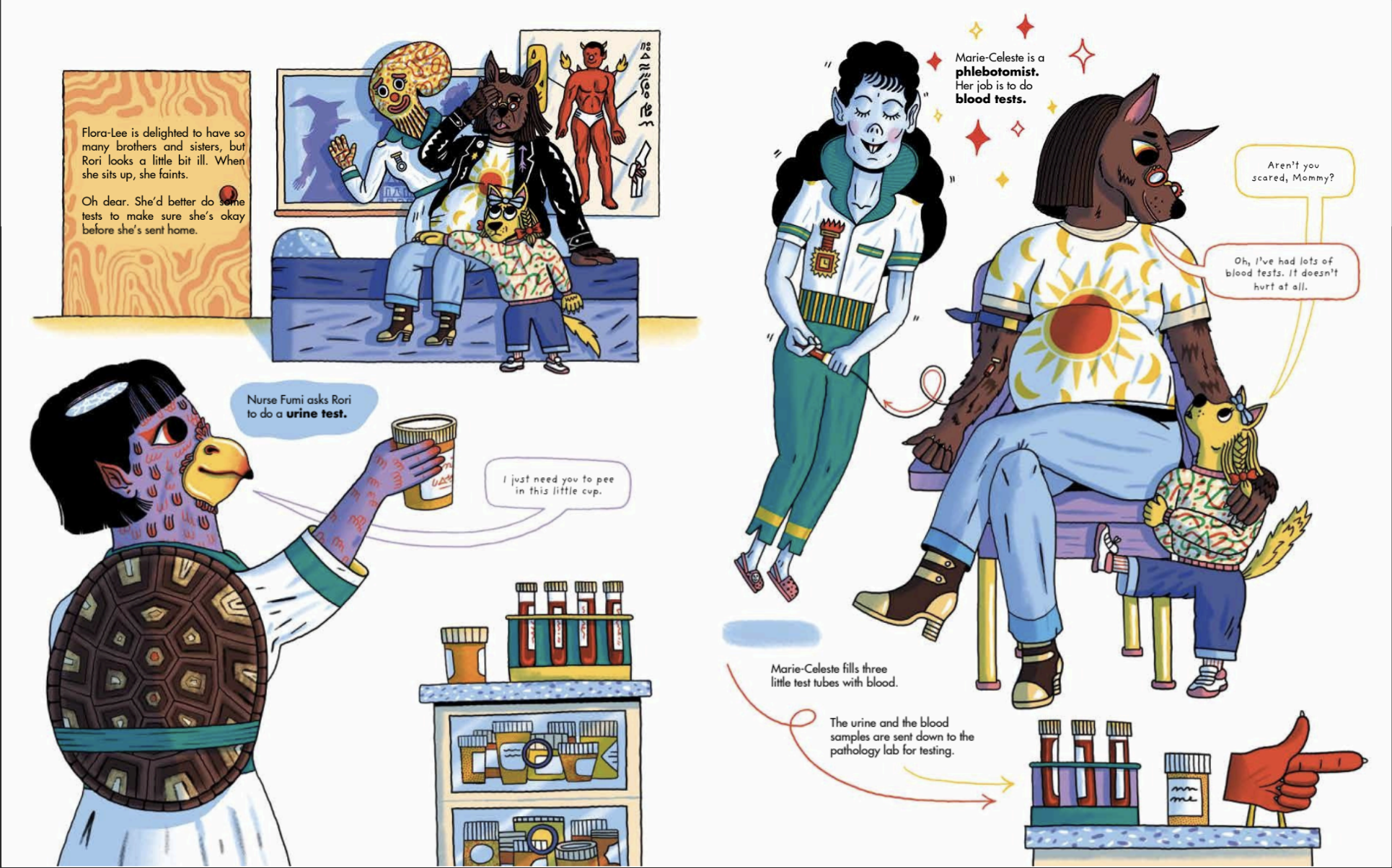
We see how a phlebotomist does their work, including reassuring parent and child before a blood draw at THE HOSPITAL FOR MYTHOLOGICAL CREATURES One of my first experiences at a hospital was going to get my blood drawn, and it quickly became a much bigger ordeal than it needed to be. As hard as I tried, I couldn’t get over my fear of needles. Luckily, a family friend was there who pulled up a trailer for the upcoming Disney movie, Zootopia, and she distracted me from what was really going on. Having people around who provide a calm environment makes it easier for children. I was scared that day and able to be distracted, but I didn’t truly understand why I was having blood taken. Knowledge about why something is happening and seeing everyone else remain calm is one of the easiest ways to make a trip to the hospital less stressful. Fear is part of life, but tools such as DR. DOG: Snakey’s Belly Ache and THE HOSPITAL FOR MYTHOLOGICAL CREATURES make facing your fears easier. Healthcare professionals work tirelessly to help people every day. Their goal is not to subject people to scary and painful procedures, but to make sure that everyone is healthy enough to continue the amazing parts of life. These two books are must reads for any kid, or even any adult, who is scared of the doctor’s office.
Extending These Books with an Activity
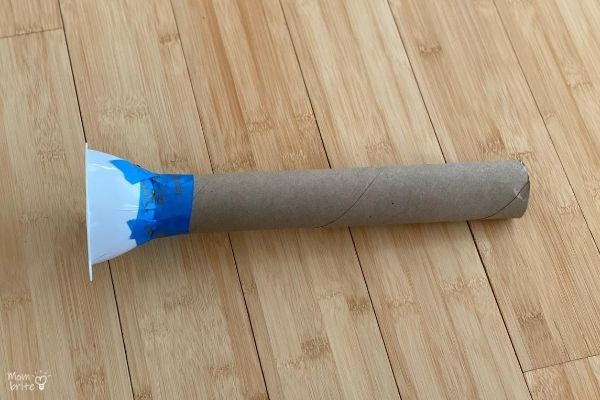
Let the kids have a chance to play doctor! A homemade stethoscope will demystify one of the tools that they will encounter at any doctor’s appointment. They can decorate it however they want. When they see a real stethoscope at the doctor’s office, it will already be familiar and remind them of the fun they have with their toy!
Here are some easy-to-follow instructions:
Materials: a used paper towel roll, a plastic funnel, tape, and anything that you want to decorate the stethoscope
Put the spout of the funnel into the paper towel role and tape them together
Decorate the toy stethoscope however you want and have fun!